


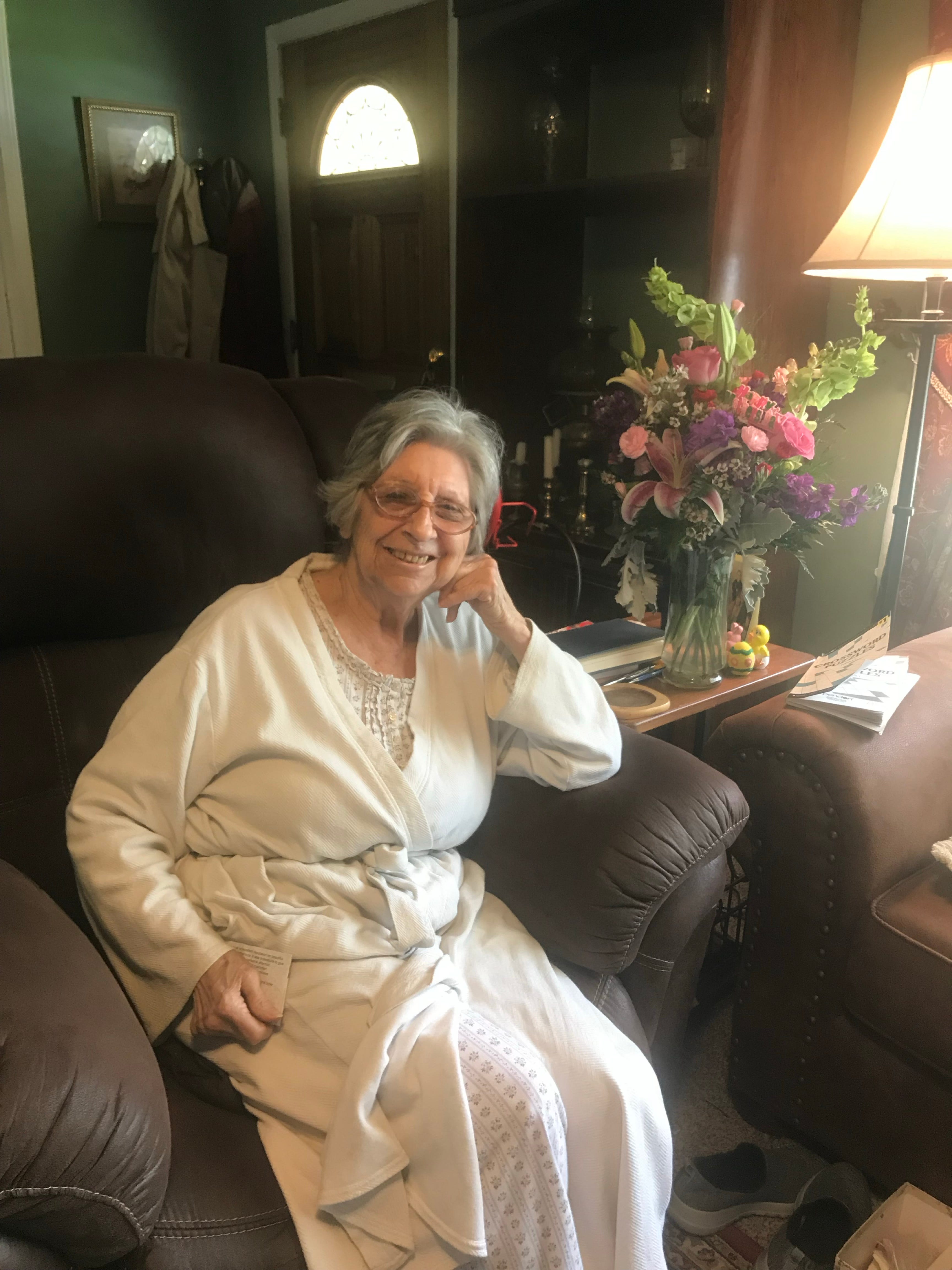
I went looking for comments and found a whole room full of people refusing relief. Then I thought of my sister, and the cost of staying there.
A few days ago, I did a normal modern thing.
I checked the comments under one of my pieces on NewsBreak.
And I swear to you, it felt like I accidentally opened the wrong door in a long hallway and stepped into a wing of the internet nobody advertises.
Not disagreement.
Not debate.
A whole room full of people planting their flag in despair.
One woman wrote, “I’m 68 and I’m ready to die.”
Another said life ended the day she lost her son.
Others listed health problems like a roll call of doom.
And the tone was not “help me.”
It was “don’t you dare suggest I can move.”
Now listen. Before anybody clutches their pearls. I’m not being cute when I say this, and I would rather eat drywall than serve you glittery affirmations. So stay with me.
I am not judging grief. Grief is real. Loss changes a life. If you’ve lost someone, especially a child, you don’t “get over” it. You learn how to carry it. You learn how to breathe around it. You learn how to live beside it.
But there is a difference between grief and a life sentence you keep renewing.
Some people are not looking for relief. They are protecting their misery because it has become familiar, and familiar can feel safer than change.
That hit me in the chest, because I know what happens when a human being decides, consciously or not, “This is it. This is where I live now.”
I recognized the layout. The posture. The rigidity. The refusal of any doorway.
I’ve seen where it leads. I watched it take someone I loved.
I watched it happen to my sister.
Her name was Melba Jean. But in our family, we called her Songbird
.
She had one of those voices that made people go still. Not just pretty. The kind of voice that carries something in it. Something that reaches past your ears and lands somewhere deeper.
Melba Jean was an accomplished church organist and pianist, and for many years she was in high demand at local funeral homes. She showed up for people in their worst moments and gave them music that helped them bear the unbearable. That was who she was.
She also loved to swim.
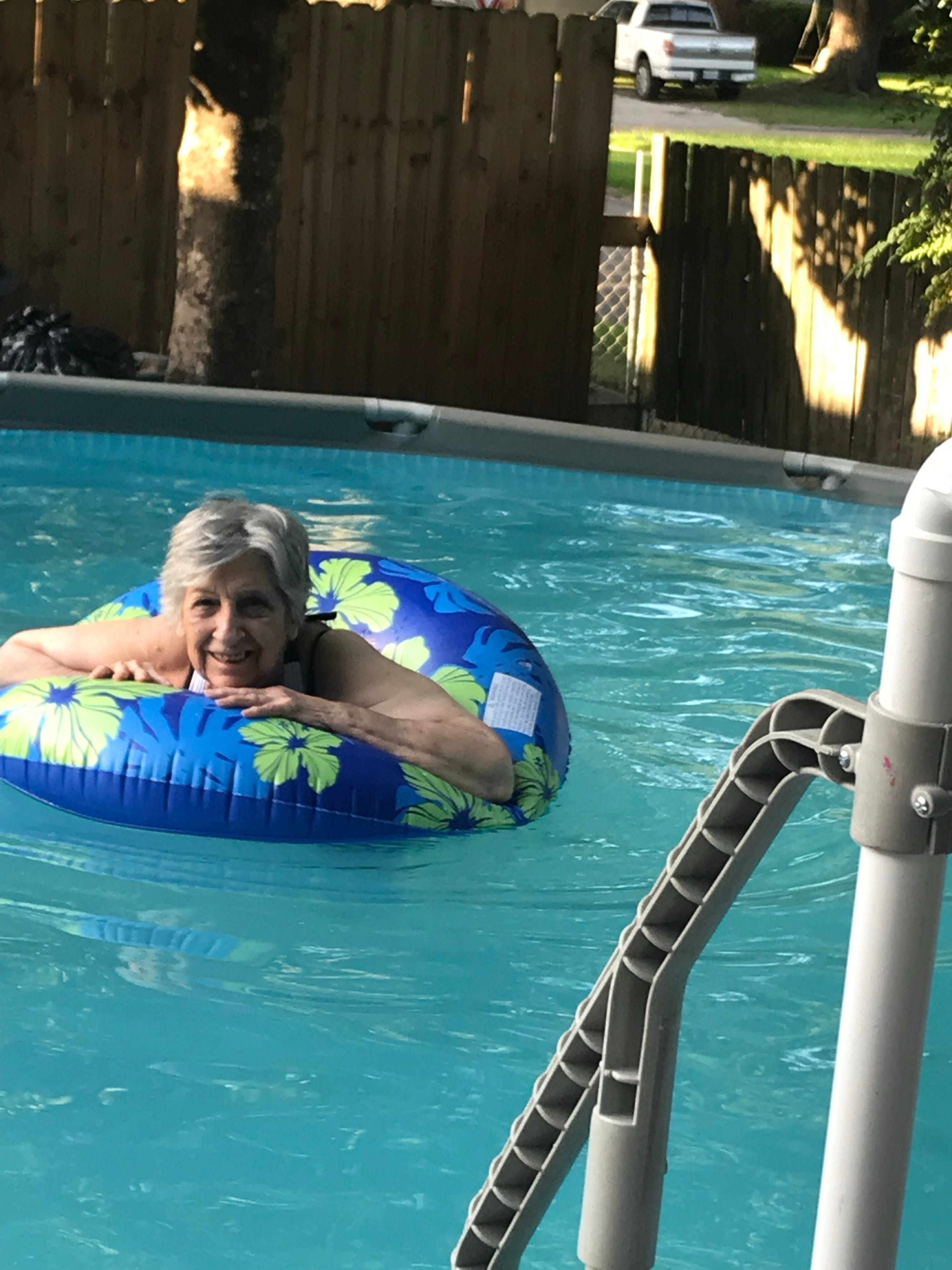
Almost as much as me. There was a freedom in the water for her. Movement and music and water, that was my sister’s language.
My nephew, her son, died by suicide at 28.
And after that, Songbird went quiet.
Could she have returned to who she was before? No. That’s not how grief works. The “before” version is gone. The world splits in two and you become someone else.
But what happened next is the part I cannot ignore, not now, not after reading those comments.
She didn’t find a handrail.
She found a bottle.
Over time, that bottle became the place she lived.
People called her a functioning alcoholic, which is one of those phrases that makes something tragic sound almost tidy. Like it’s a job title.
It wasn’t tidy. It was slow. It was numbing. It was her nervous system trying to survive a pain it didn’t know how to metabolize.
She was still going through the motions of living. Still singing. Still swimming. Still playing. And still quietly disappearing on the inside.
She lived with me for two years before she was moved into a care facility. Alcohol induced dementia had taken hold by then.
I think about those two years a lot.
We would repot plants together.


She’d look over my shoulder at whatever I was painting and offer instructions, the way she always had. We took daily walks. I tried to give her normalcy, companionship, a sense of being seen.
But every time I looked at her, really looked at her, I was searching for something.
I was looking for the twinkle. The one that used to be there when she sat down at an organ, or slipped into the water, or opened her mouth to sing.
It just wasn’t there.
Not gone. Just dimmed. Like a light turned way down low.
I could still see the shape of my sister in there. Songbird was somewhere behind that fog. But I couldn’t reach her, and she couldn’t reach me.
All I could do was be her companion. Tend to her needs. Walk beside her.
My sister died from alcoholism.
So when I say I wandered into the despair wing of the internet, I’m telling you I recognized the blueprint.
And I want to say something with a whole lot of love and a whole lot of backbone.
You are allowed to grieve.
You are allowed to be wrecked.
You are allowed to miss who you miss.
You can call your captivity realism if you want. I’m just telling you it has a cost.
I have seen the cost up close. I have held its hand on a daily walk and searched its eyes for a twinkle that wasn’t there.
Now here’s the part that matters, and this is where I get very serious and very hopeful at the same time.
We live in a different time than my sister did. Not because grief is different. Grief is grief.
But because the tools are different. The language is different. The access is different. The understanding of the nervous system is different.
The paths back to aliveness are more visible now.
Back then, most people around us acted like there were only two options: white knuckle it, or numb it.
Now we have doorways.
That’s exactly why I talk about nervous system work so much. Not because it erases loss. Because it gives you a way out of the spiral.
My 4 4 6 breath is not a philosophy. It’s not a bumper sticker.
It’s a handrail.
When the mind is screaming, the body can lead you back to the room you’re in. Back to this moment. Back to choice.
And if you’re sitting there thinking, Monica, I don’t have choice. You don’t know what I’ve lived through.
You’re right. I don’t know every detail.
But I do know this: the first step is not “be positive.” The first step is admitting you have a choice at all.
If I could sit down with those women from the comments section of NewsBreak, I wouldn’t lead with breathing exercises.
I’d start with this: I see you. I believe your pain is real. I’m not here to talk you out of your grief.
And then I’d ask one question.
Have you ever considered that you don’t have to choose between staying in the pain and pretending it didn’t happen?
That there might be a third option. Not happiness. Not even peace necessarily. Just a life that is more livable than the one you’re in right now.
Not a transformation. Not a miracle.
Just more comfortable. And maybe, on a good day, something close to satisfying.
That part of you that still wants life is real.
Even if it’s quiet.
Even if it’s buried.
If it’s still there, you are not done. Not even close.
The Daily Breath Ritual PDF is embedded below. Consider it your first handrail.

If you’d like to support my work, becoming a paid member helps me keep building more doorways back to aliveness.
This is such a beautifully expressed post, Monica, full of care and concern that’s laced with understanding and hope and a desire to help.
This is profound truth. I'm not a writer, so I'm having trouble conveying all the thoughts and feelings this stirs within me. But I am SO grateful for your gift of words, Monica. Life is rich with deep joy and deep sorrow. You have a way of expressing all the inexpressible nuances of LIFE.