

Obligation Detox
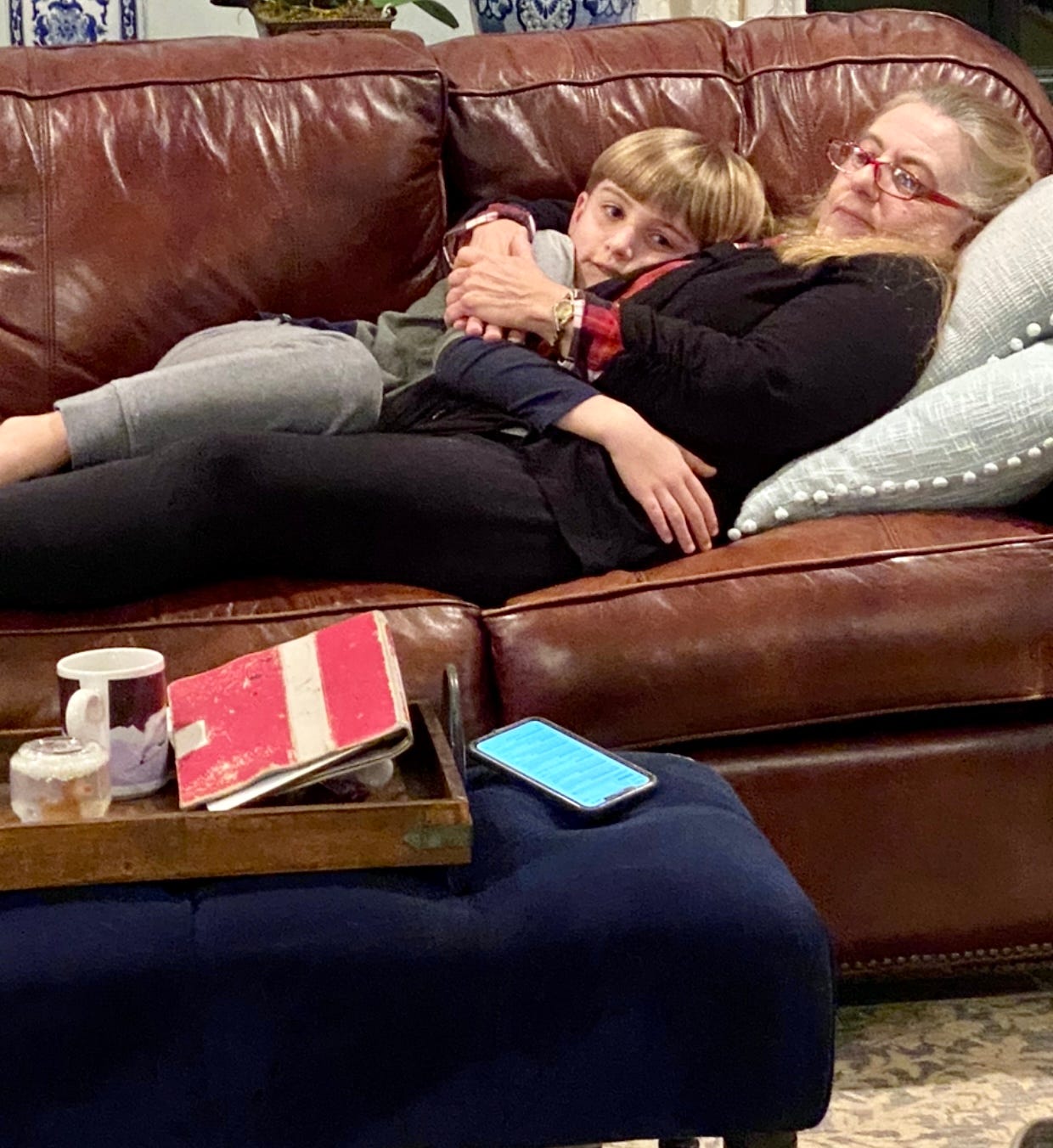
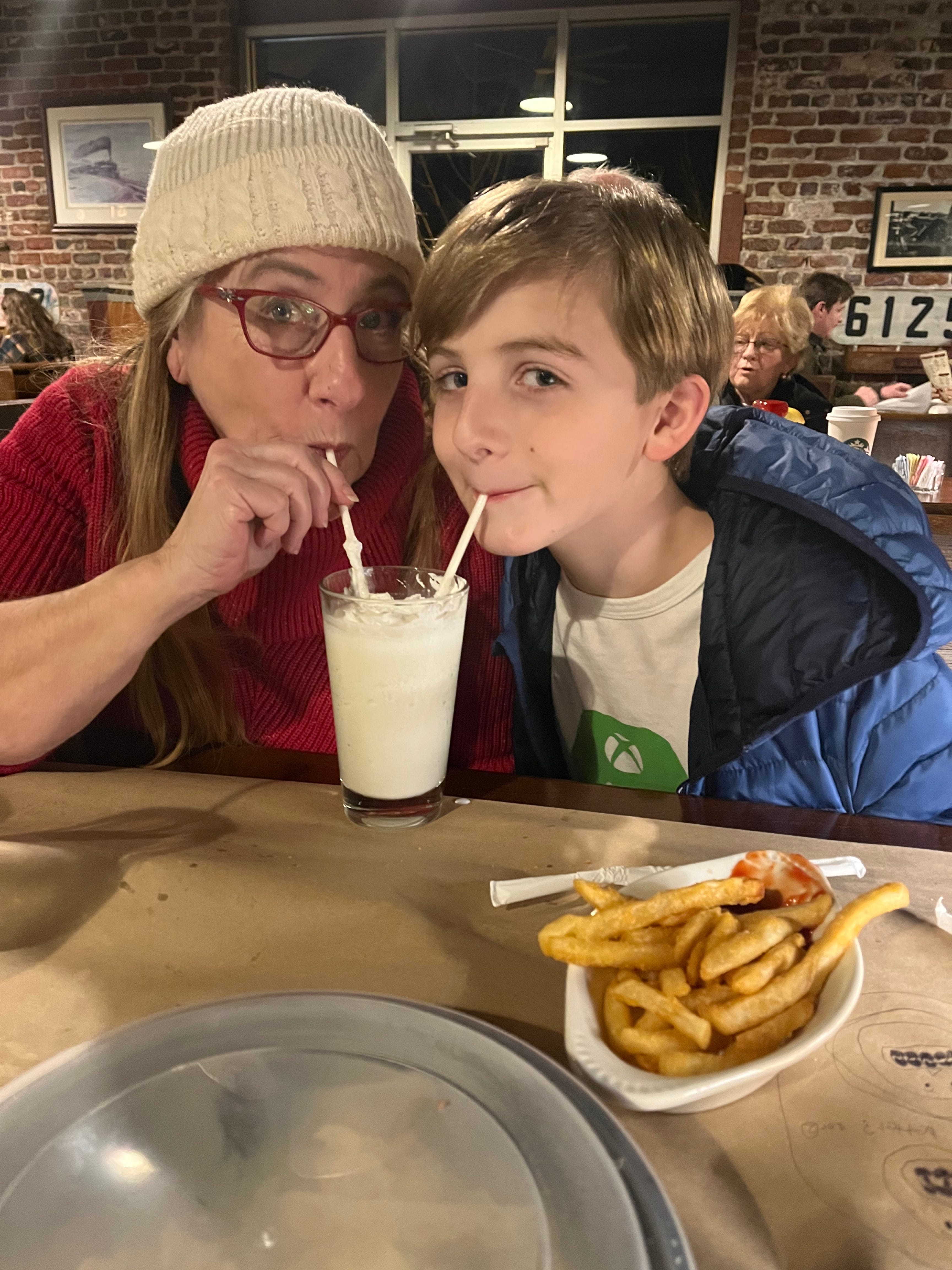
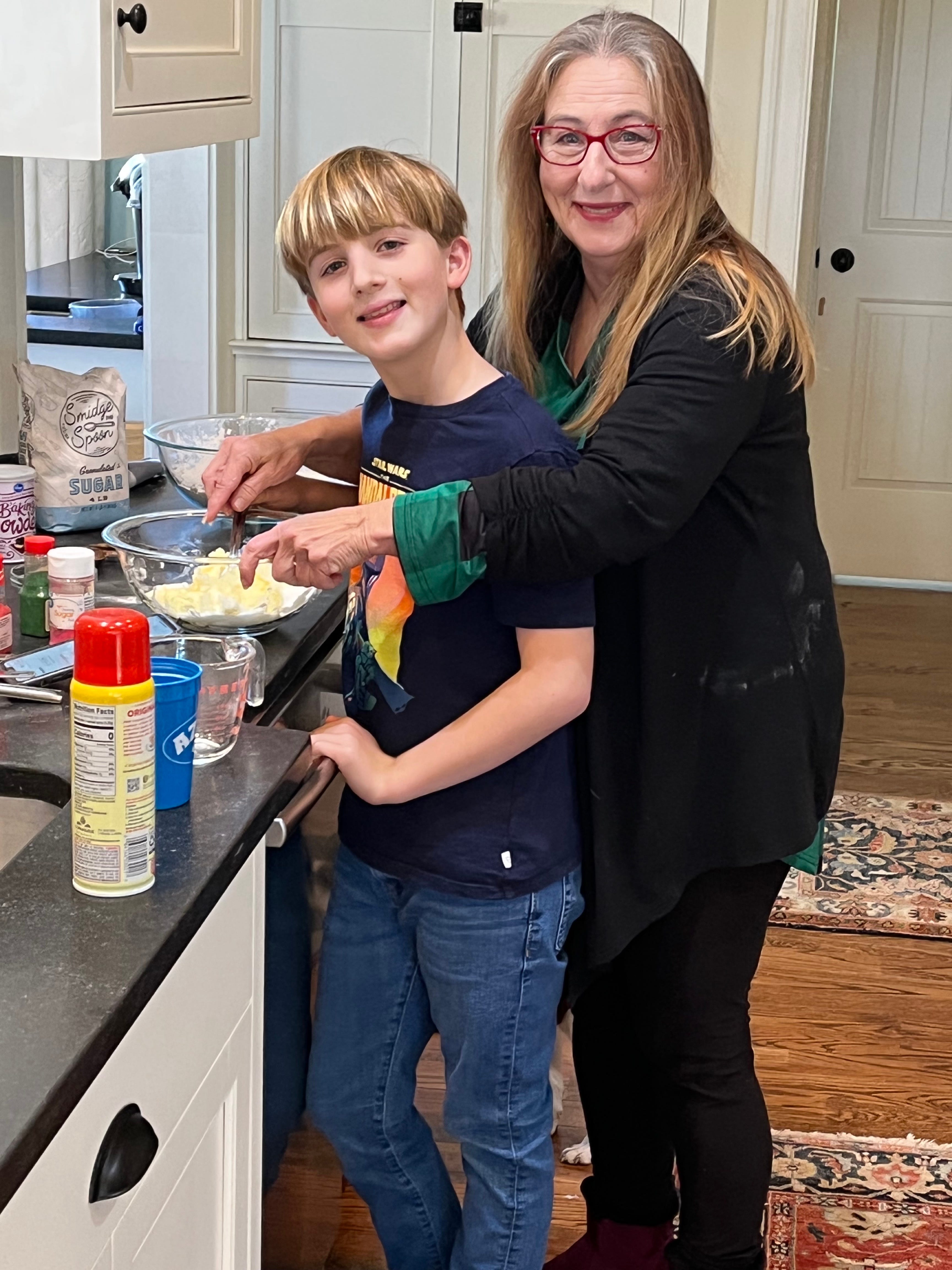
When I first moved to this town, my grandson Grant was an eager eight year old boy.
Full blown boy. Always ready for any adventure he could cook up — in the house, in the yard, or better still on his scooter.
I adored him. I still do.
But when you have a young grandchild, something happens in the family. A kind of invisible rule gets written. Nobody says it out loud. Nobody has to.
The grandmother will be available. The grandmother will help. The grandmother will say yes.
And at first, I did.
Every time his mom called and asked if I could watch him, I said yes. Every single time. No hesitation.
On the outside that looks like love. And sometimes it was.
But if I am being really honest? Something else was going on underneath it.
I was afraid to say no.
Not because I did not love Grant. I loved him so much it hurt sometimes. I still remember when he caught COVID. I cried alone in the dark in the middle of the night, waiting for word from his mom at the ER.
But I was scared that if I said no, his mother would get upset. And if she got upset, maybe I would get less time with him
.
So I kept saying yes.
Even when I was tired. Even when I had plans. Even when I just wanted one quiet afternoon to myself.
I said yes anyway.
And every time I did, something inside me got a little smaller.
One day I finally tried to be honest. I told his mom that sometimes when she called I already had things going on.
She looked at me and said: What else could you possibly have going on? You’re his grandmother. That’s what matters.
She did not say it to be mean. She really believed it.
But something happened inside me when she said those words.
A little light went on.
I started to see something I had never seen clearly before.
For most of my life I had been confusing two very different things.
Obligation. And purpose.
I thought they were the same. They are not even close.
So let’s get our spy glasses out and take a good long look.
When you examine obligation up close, you find a whole collection of shoulds. Shoulds we honored without question — because honestly, nobody taught us we had a choice.
Until now.
Here is how obligation feels inside your head:
I should probably help.
I should show up.
I should keep doing this because it’s what people expect.
Sound more like a servant than a cherished grandparent, don’t they?
That word — should — is heavy. It sits on your chest like a stone. A pretty purple stone, actually. The color of royalty. And we ARE the royal grandparents, are we not?
Purpose feels completely different. Purpose feels like: I want to. I choose to. This matters to me.
No heavy purple stone on your chest. Purpose is more like a diamond — catching the light, glittering with all the best energy the universe has to offer.
See the difference?
Here is something else I learned. And this one took me a long time.
Guilt is not a compass.
When you feel guilty for saying no, that guilt is not telling you that you did something wrong. It is just an old recording playing in your head from way back when you first learned that other people’s comfort was more important than your own truth.
That recording is lying to you.
Women of my generation were trained very thoroughly in the art of obligation.
We said yes when we meant no.
We helped because it was expected.
We smiled through things that did not sit right with us and called it being mature.
We told ourselves we were living meaningful lives.
But a lot of the time we were just performing. Playing the role. The helpful one. The available one. The dependable one.
And here is the sneaky thing about obligation.
It is very good at pretending to be a virtue.
It wears the costume of love. Of loyalty. Of being a good person.
But underneath the costume? It is just fear. Fear of what people will think. Fear of disappointing someone. Fear of taking up too much space.
The quiet revolution that happens after sixty is this.
You start to see through the costume.
You start asking a different question.
Do I actually want to do this? Or do I just feel like I owe someone something?
And once you start asking that question, everything changes.
You start saying small, honest sentences.
That does not work for me.
I am not available for that.
Not with anger. Not with drama. Just with calm, clear truth.
And something remarkable starts to happen.
Your life gets lighter.
The stone lifts off your chest.
You stop performing your days and start actually living them.
Here is the thing that felt almost shocking the first time I said it out loud.
I do not owe anyone my talent.
I do not owe anyone my creativity.
I do not owe the old version of myself one single thing.
I am allowed to become who I was actually born to be.
And sometimes that journey starts with something as simple — and as radical — as this.
Detoxing from obligation.
One small honest sentence at a time.
Now I want to ask you something.
Where in your life right now are you saying yes when your whole body is saying no?
Where are you performing a role that you never actually chose?
What is one small honest sentence you have been too afraid to say out loud?
You do not have to blow anything up. You do not have to hurt anyone.
You just have to start telling the truth.
One sentence. That is all it takes to begin.
Ready to put down the purple stone?
I wrote a little guide called Obligation Detox — just for grandmothers who are ready to stop performing and start living.

Here is something I want you to know.
You do not have to figure this out alone.
Every Tuesday a beautiful, wide open group of women meets on Zoom to do exactly what you just read about — breaking through the mental chatter that has shaped our lives for too long.
Annual subscribers get a standing invitation.
Come sit with us.
If this hit home, tap the ❤️ and send it to a grandmother who might need permission to loosen the grip of obligation.
The bottom line of all your teaching that I see, Moni Rose, is authenticity. Uncovering the thought forms that have kept women from being true to themselves. It is so exciting to have you modeling that being authentic does not mean you’re not being loving. You’re simply choosing how that love is expressed. Thank you.
This is a GREAT one.
I’ll be returning to this often because it applies to many things as well as grandchildren.
Thanks Monica!